
Why Foam Packaging Matters in Modern Shipping
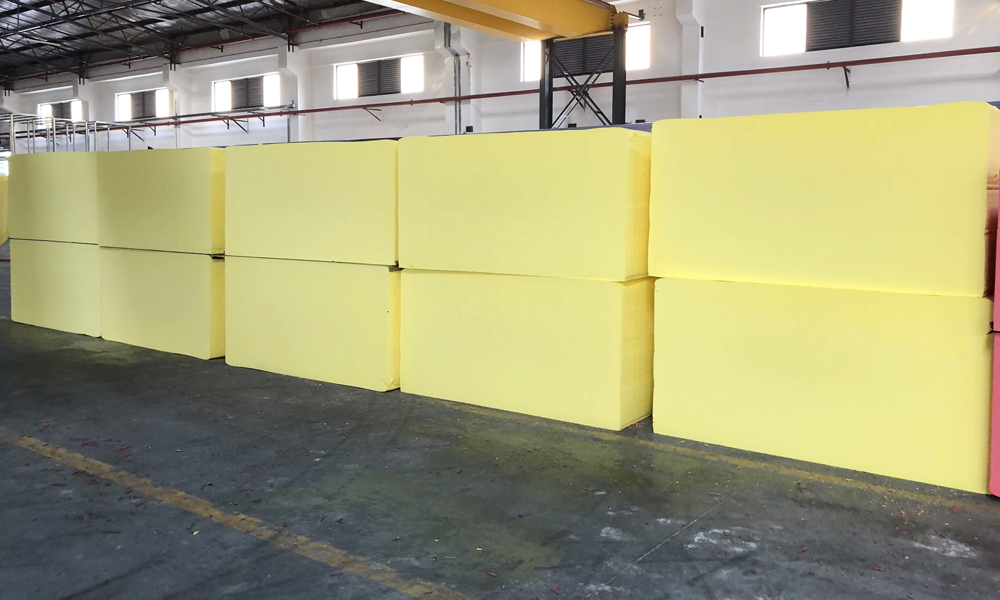
If you are engaged in foam manufacturing or furniture production, you already know how challenging logistics can be. Foam or foam blocks are lightweight but extremely bulky, which makes them inefficient for transportation. In global trade, shipping costs are often calculated by volume rather than weight, which means manufacturers are essentially paying to transport air.
This is why understanding how to pack foam for shipping has become critical for factories that want to stay competitive. Without proper optimization, container space is wasted, and overall profitability is reduced.
Common Problems in Foam Transportation and Storage
Foam products create several persistent issues in logistics:
- Large volume despite low weight
- Poor container utilization
- High freight costs per unit
- Difficult warehouse storage management
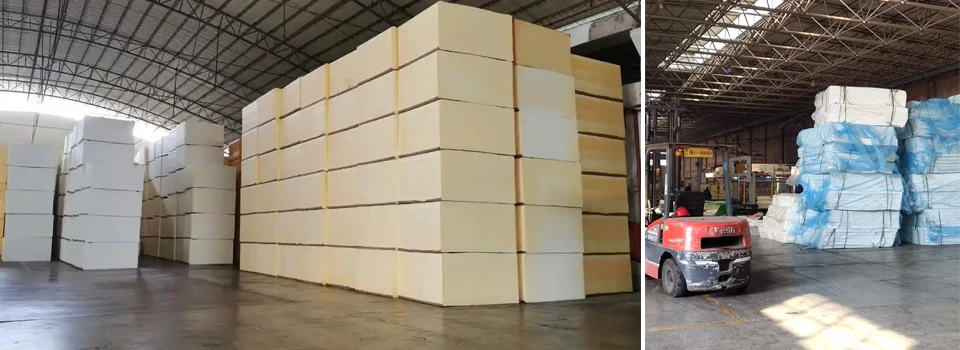
These problems directly increase operational expenses and reduce export competitiveness. For many manufacturers, the key challenge is how to systematically reduce foam shipping cost without compromising product quality.
Foam Compression Process Explained Step by Step
A modern foam compression process is designed to solve these problems through controlled volume reduction and professional packaging.
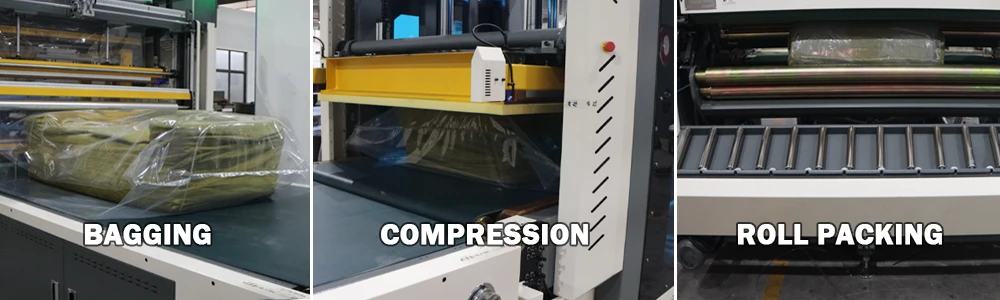
First, foam blocks are prepared and sorted to ensure consistent size and density. After that, the foam is placed into protective PE or PVC bags. This bagging stage is important because it stabilizes the foam structure and prevents contamination during compression.
Next, the foam enters the compression stage. Using hydraulic pressure, the foam is compressed inside a sealed chamber. At this stage, advanced equipment can reduce the foam height by up to 90%, and in some industrial systems, even foam blocks up to 1000 mm height can be processed efficiently.
After compression, the material is heat-sealed to lock in the reduced volume and prevent rebound. This ensures that the foam remains stable during storage and transportation.
Finally, the compressed foam is rolled into a compact cylindrical shape through roll packing, making it easier to stack, store, and load into containers.
How Foam Packaging Machines Improve Efficiency
To achieve stable and repeatable results, manufacturers rely on automated systems such as a foam packaging machine. These machines integrate compression, sealing, and roll packing into a single continuous process, reducing manual labor and improving production efficiency.
For industrial applications, equipment such as a foam compression machine is commonly used to apply strong and uniform hydraulic pressure, ensuring consistent compression quality across different foam densities.
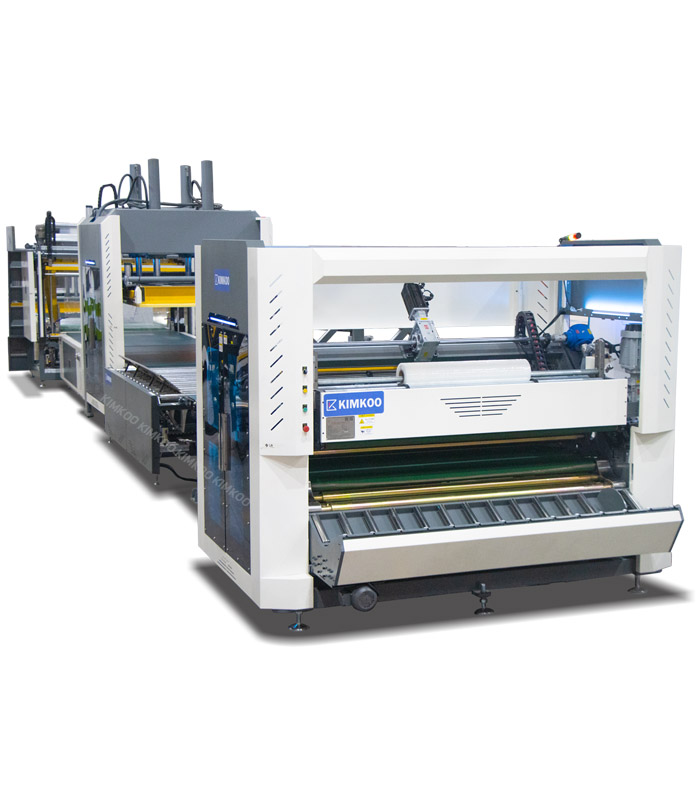
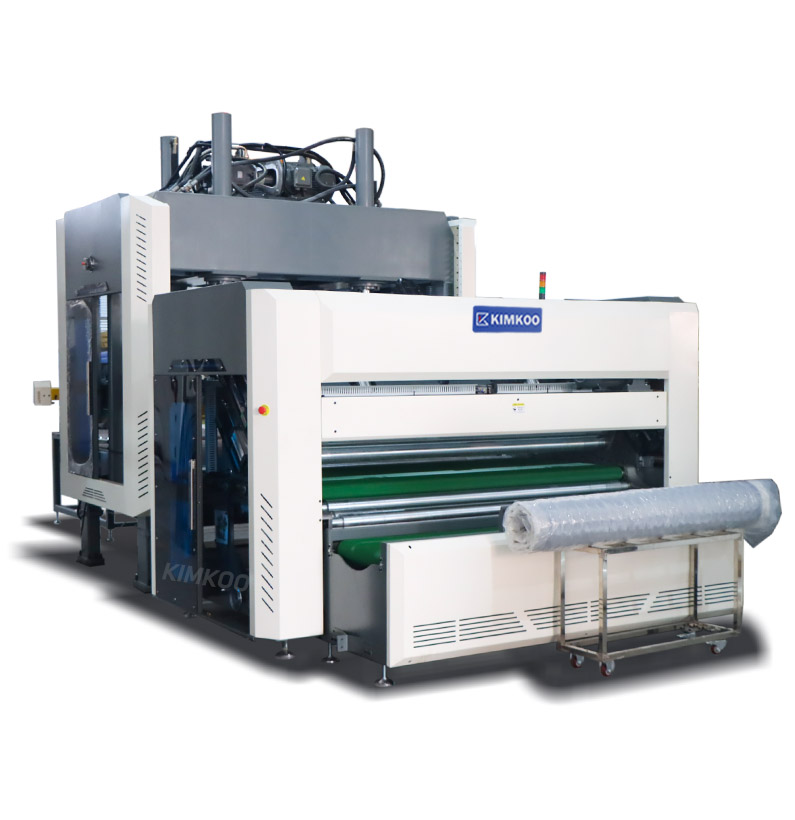
In more complex production environments, a foam block compression machine is used for larger or layered foam products, providing higher flexibility and improved handling capacity.
It is important to note that these two links are intentionally placed separately in different parts of the workflow to ensure natural SEO structure and avoid over-optimization.
How to Reduce Foam Shipping Cost by Up to 90%
By applying compression and roll packing technology, manufacturers can significantly reduce foam volume and increase container utilization. In many cases, volume reduction can reach up to 90%, meaning a single container can carry several times more products than traditional packaging methods.
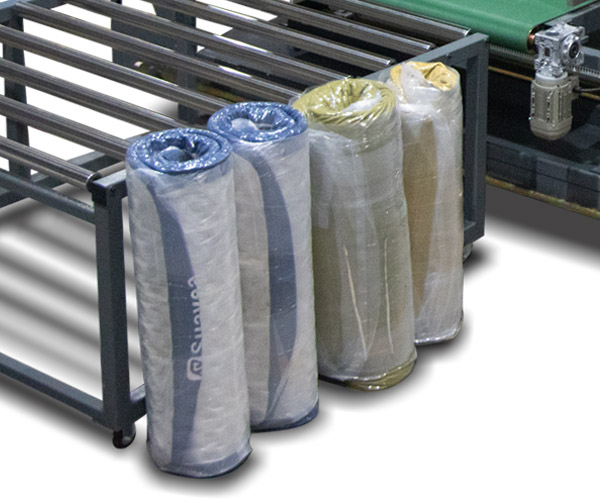
This directly lowers freight cost per unit, reduces warehouse storage requirements, and improves overall logistics efficiency. For export-oriented factories, this is one of the most effective ways to improve profit margins without changing raw material costs.
Choosing a Reliable Foam Packaging Solution Factory
When selecting equipment, choosing a professional foam packaging solution factory is crucial. A reliable manufacturer can provide not only machinery but also complete system integration based on product type, production scale, and packaging requirements.
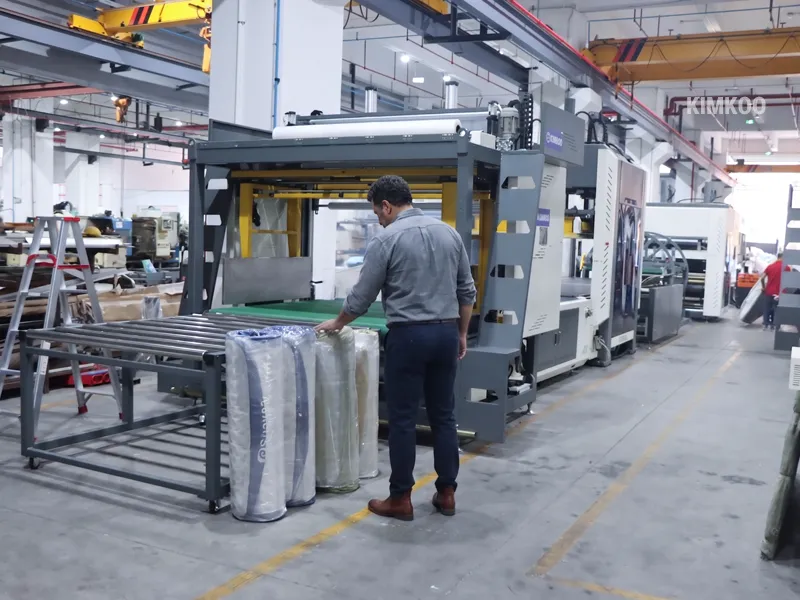
With over 18 years of engineering experience, Kimkoo Mattress Machinery focuses on delivering industrial-grade foam compression and packaging solutions for global manufacturers. The goal is to help factories improve efficiency, reduce logistics costs, and upgrade their production capabilities.
Final Thoughts on Foam Packaging Efficiency
In modern manufacturing, mastering how to pack foam for shipping is no longer just a technical issue—it is a strategic advantage. By adopting a structured foam compression process and using advanced foam packaging machines, manufacturers can significantly reduce foam shipping cost and improve operational efficiency.
With the right equipment and process design, foam packaging can be transformed from a cost burden into a competitive advantage in global trade.